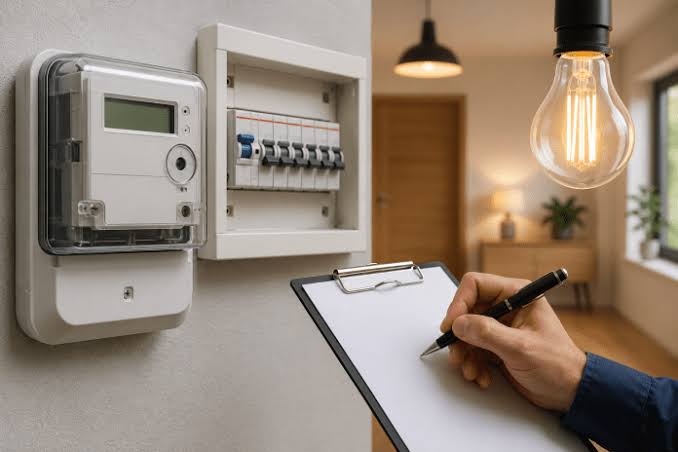
For people moving into a new home or opening a business, opening an electricity subscription is one of the first tasks to handle. For the transaction, it is sufficient to prepare an ID document and paperwork showing property information. Applications can be completed quickly through branches, online channels, or e-Government. Since electricity used without a subscription is considered illegal, it is recommended to take this step at the beginning of your move.
How does the subscription process work?
First, you should check whether there is an active subscription at the new address. If there is an active subscription, it is recommended to transfer the contract to your name immediately upon moving so that consumption is recorded under your name and not someone else's.
The application is made to the electricity distribution company or authorized supply company in the region. It is possible to complete the transaction through the company's customer service, website, mobile application, or e-Government.
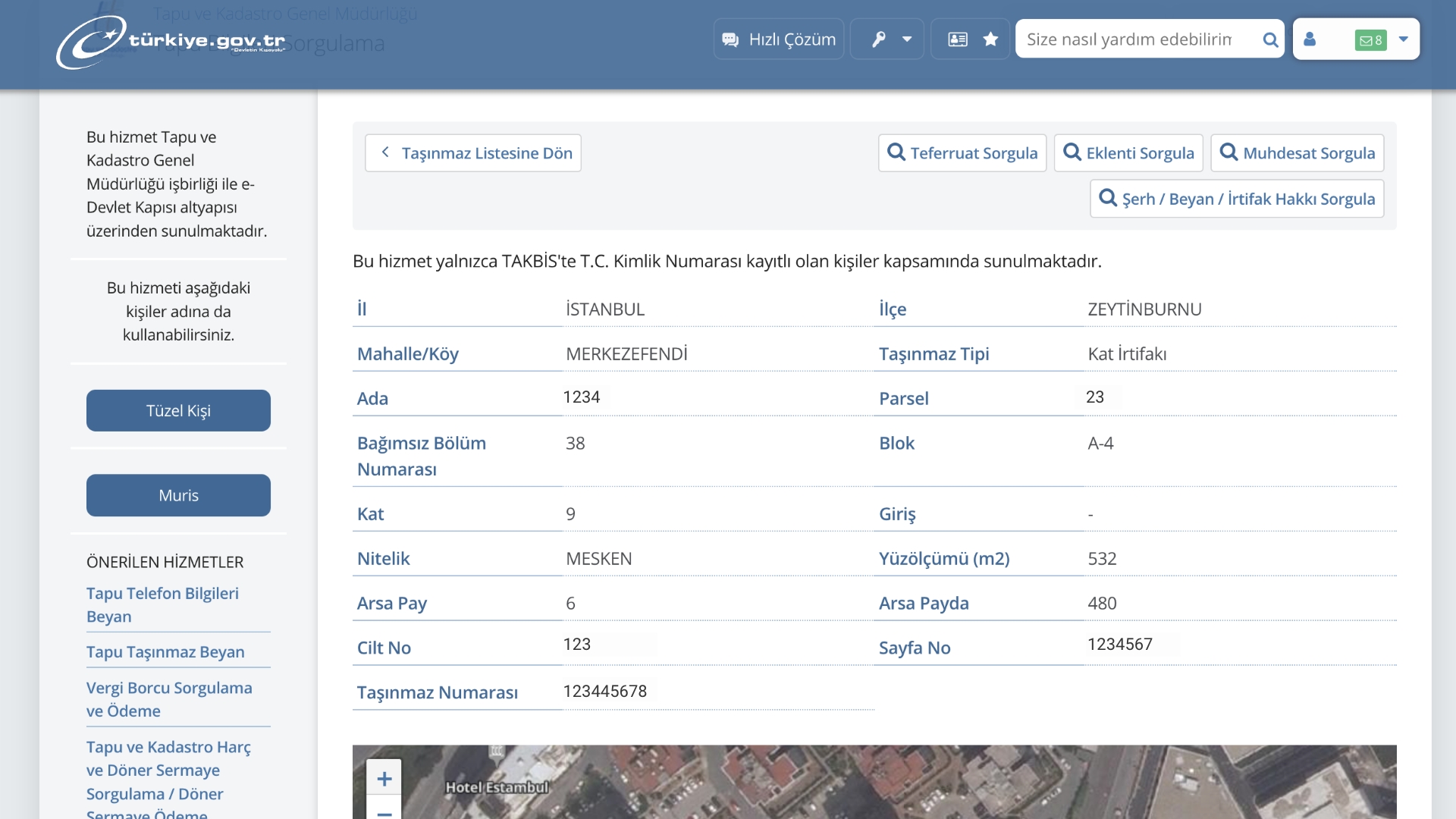
Being a homeowner or tenant does not significantly change the application. Homeowners are asked for a title deed, and tenants are asked for a rental agreement. The application can be made by the person themselves or by another person with a notarized power of attorney. For business subscriptions, in addition to these, corporate documents such as tax plates and signature circulars are required.
Additional documents may be required for newly built properties
In newly completed buildings, an occupancy certificate or approved electrical project may be requested. For buildings that received building permits after 2008, an occupancy certificate is often mandatory. There may be some exceptions for older buildings. Since the requested documents may vary depending on the distribution company and the condition of the building, it would be helpful to check the company's current document list before applying.
Online application and closing the old subscription
Operations such as opening, transferring, canceling, and transferring subscriptions can be done both through e-Government and the distribution companies' online transaction centers. After application, a deposit and legal fees must be paid. Once technical teams complete their inspection, electricity is usually activated within a few business days.
It is recommended to terminate the subscription at the old property before opening a subscription at the new address. This prevents any consumption at the old address from being charged to you. You can use a branch, customer service, online transaction center, or e-Government for cancellation. If you are moving within the same region, closing the old subscription and opening the new one is usually handled together through the same company. If debts have been paid, the deposit is refunded.
Transferring the subscription to your name and fees
Transferring a subscription means having the electricity contract at the address where consumption occurs reissued in the new user's name. This process is especially an important part of the moving process for tenants. If documents are complete and any debts have been paid, the transfer is usually completed within a few business days.
During the subscription process, a deposit, connection/disconnection fee, and legal taxes are charged. The amounts of these items vary depending on the type of use (residential or commercial) and the installed capacity of the installation. Since the Energy Market Regulatory Authority (EPDK) redetermines the deposit amount each year, consulting the relevant distribution company's official channels is the best way to get the exact and current amount. When the subscription ends, the deposit is returned in its updated amount, provided there are no outstanding debts.