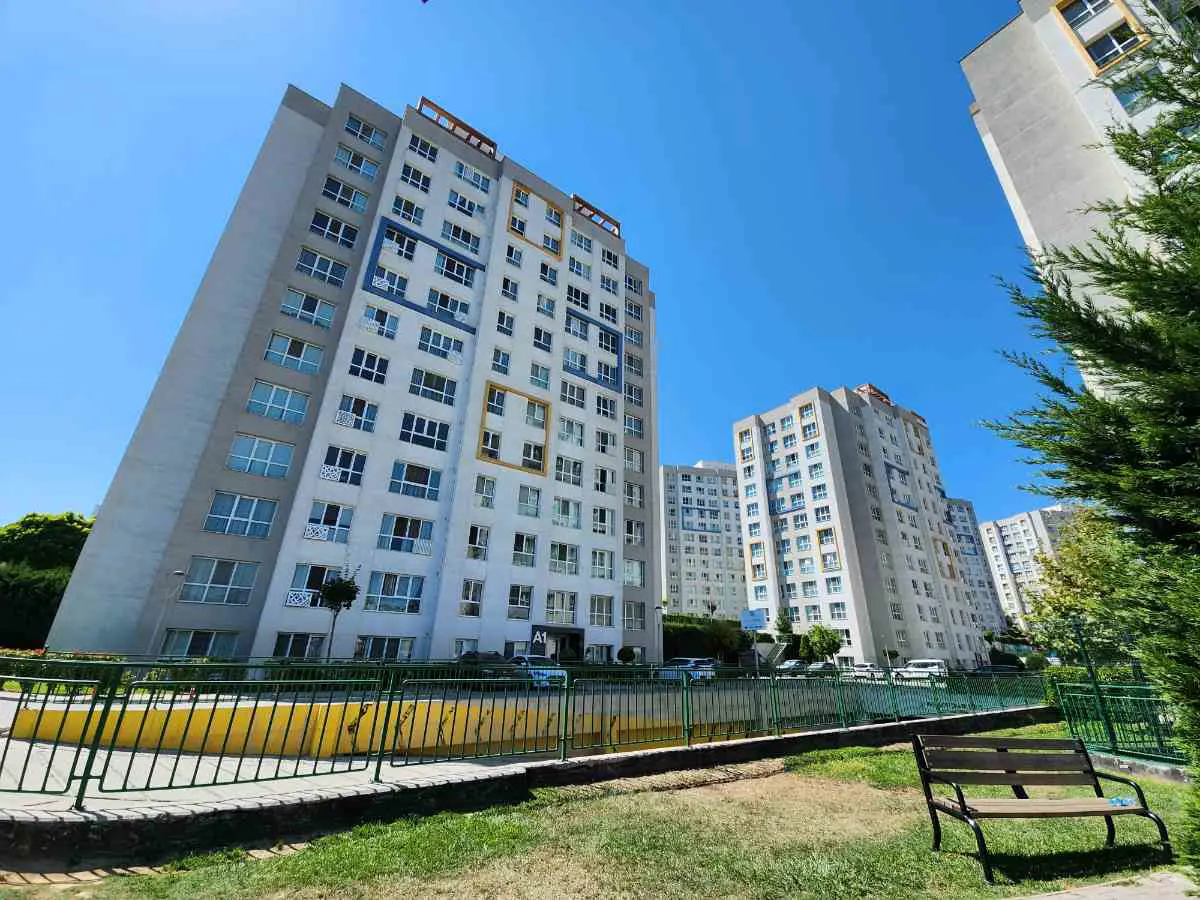
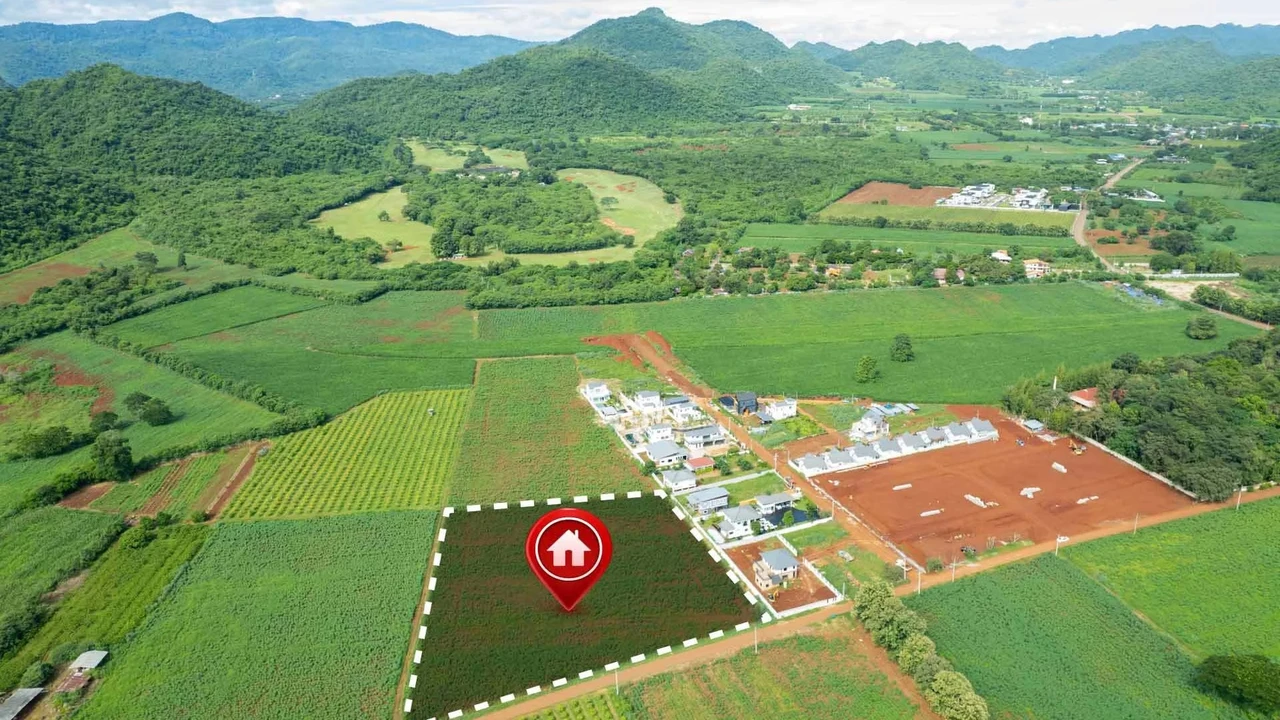
TAKS is a coefficient that determines how much space a building to be constructed on a plot of land can occupy on the ground. As one of the fundamental data of development plans, this ratio shows how much of the land can be filled with building.
What is TAKS and what does it mean?
TAKS refers to the ratio of the building's floor area to the total area of the land. Municipalities set a separate value for each zone, and this value is included in the development plan. Thus, the intensity of development in the area is kept under control.
The abbreviation stands for "Floor Area Ratio." In some sources it is also used as "Floor Area Coefficient." Both expressions describe the same concept.
Development plans are prepared to ensure orderly and balanced progress in construction. TAKS determines how much of the land will be covered by building and how much will remain as open space. This way, elements affecting quality of life such as green areas, light, and air circulation are protected.
How is TAKS calculated?
The calculation is based on a simple formula:
Floor area = Land area × TAKS
For example, on a 1,000 square meter plot with a TAKS of 0.30, the building's floor area can be at most 300 square meters (1,000 × 0.30).
Land size is a direct part of the formula. As land grows at the same TAKS ratio, floor area also grows. This is why when buying land, you need to look not only at the ratio but also at the total square meters. These two values together determine the actual floor area of the building.
The TAKS ratio varies from region to region and generally ranges between 0.10 and 0.80. In low-ratio areas, buildings occupy less space and often more garden or open space remains. In high-ratio areas, construction may be more intense.
The difference between TAKS and KAKS
Although the two coefficients are often mentioned together, they measure different things:
- TAKS: Shows the area the building will occupy on the ground.
- KAKS (Floor Area Ratio): Shows the total construction area that can be built on the land. In current official language, it is also referred to as "Emsal."
While TAKS limits the base of a single floor, KAKS limits the total area of all floors. When the KAKS value is divided by the TAKS value, the approximate number of floors is found.
Consider two plots with the same KAKS. On a plot with lower TAKS, the building spreads less and can have more floors. On a plot with higher TAKS, the building sits on a wider base and the number of floors decreases. For this reason, when evaluating construction potential, both coefficients should be read together.
The role of TAKS in land evaluation
TAKS shapes market value by affecting the size of structure that can be built on land. Lands with high TAKS and KAKS values offer more building rights and are generally considered more valuable.
Learning the TAKS value before purchase clarifies what size building can be constructed. Without this information, you may have to settle for a smaller structure than expected. For this reason, TAKS should be examined together with the development plan.
If financing is needed in the process, you can first look at how credit score is calculated, then choose from listings suitable for a loan.
Architects and engineers also examine TAKS and KAKS values first when starting a project. These values directly limit the building's base dimensions and number of floors. After construction is completed, ensuring the structure is covered by a DASK policy is also a step not to be forgotten.
Source: Real Estate Life